Visiting Schönbrunn Palace
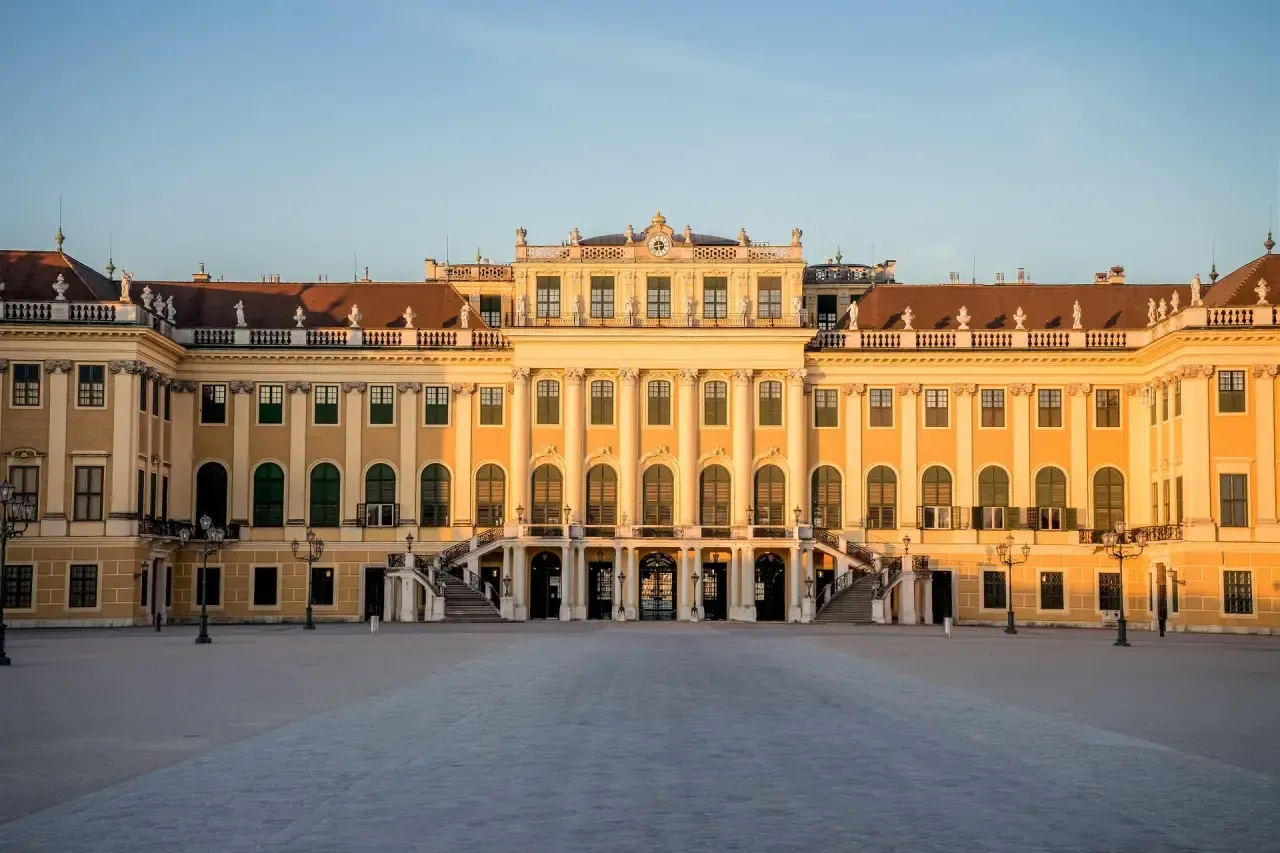
Schönbrunn Palace (Schloss Schönbrunn in German), the former imperial palace of the Habsburg dynasty in Vienna's Hietzing district, admits visitors on timed entry. The closing time shifts with the season, and the park opens before the state rooms do, which shapes how to plan your visit to Schönbrunn Palace.
Information about your visit to Schönbrunn Palace?
Schönbrunn Palace opens daily at 08:30 and closes on a schedule that shifts four times across the year, while Schönbrunn Park opens two hours earlier at 06:30. The questions travelers ask most often are:
- What are the opening hours of Schönbrunn Palace? The palace opens daily at 08:30, and the closing time moves with the season: 17:00 from 3 November to 26 March, 17:30 from 27 March to 30 June, 18:00 from 1 July to 31 August, and 17:30 again from 1 September to 2 November.
- Is Schönbrunn Palace open every day? Yes. The palace admits visitors every day of the week, public holidays included, and keeps no weekly closing day.
- What is the last admission time? Last admission falls 45 minutes before closing, so the cut-off shifts with the seasonal schedule.
- When do the gardens open? Schönbrunn Park, which takes in the gardens, the Orangery and the maze, opens at 06:30 year-round and lets visitors walk the grounds before the interior tours begin. The main gardens need no admission ticket, although certain areas within the park require one.
- What is the best day of the week to visit Schönbrunn Palace? Tuesday to Thursday, when group tours and local visitors thin out. Weekends draw the heaviest traffic, and Saturdays in particular build queues at both the ticket counters and the palace entrance.
- What is the best hour to visit? The early morning hours right after the 08:30 opening are the quietest, and the late afternoon works as a second option once tour groups have moved on. Midday, between 11:00 and 14:00, is the busiest stretch of the day.
- How do visitors get to Schönbrunn Palace? Metro line U4 stops at Schönbrunn and at Hietzing, trams 10 and 60 stop at Schloss Schönbrunn, and bus 10A serves the palace. Drivers use the car park opposite the main entrance.
- How long does a visit to Schönbrunn Palace take? The main highlights need a minimum of 3 to 4 hours. An essential visit covering the palace tour, the gardens and the Gloriette runs 2 to 3 hours. Adding the Palm House, the Tiergarten or the Children's Museum stretches that to 4 to 5 hours, while a visit taking in the zoo, the maze and the Carriage Museum fills a full day.
- Is Schönbrunn Palace wheelchair accessible? Yes. The site has barrier-free access, with ramps or elevators throughout the exhibition areas and no steps, plus direct garden access by a ramp to the right of the palace. Visitors borrow wheelchairs at the entrance turnstile for the palace interior, or at the main gate for the outdoor park areas.
Explore whatever you need in detail
Tickets and general information
The venue hub lists every bookable Schönbrunn Palace product alongside the general visitor details for the palace, the gardens and the imperial history behind them.
Opening hours
Entry times shift four times across the year, and the park keeps a longer schedule of its own from 06:30. The Gloriette, the maze and the Privy Garden close at the same time as the palace or later, for example 18:30 in July and August against the palace's 18:00 close.
How to get there
Metro line U4, trams 10 and 60, and bus 10A all reach Hietzing. Routes from the main stations, the four gates and the parking options each get a breakdown.
How long to spend
A palace tour, a walk up to the Gloriette and a full day taking in the zoo demand different time budgets, set out by experience type.
Dress code and baggage
No dress code applies, so the choices that matter are footwear for historic stairs and floor coverings, and what to carry once bags larger than approximately A4 have to stay in a locker.
Inside the palace
The Great Gallery, the Hall of Mirrors and the Millions Room anchor the state apartments and display the palace's Rococo decoration.
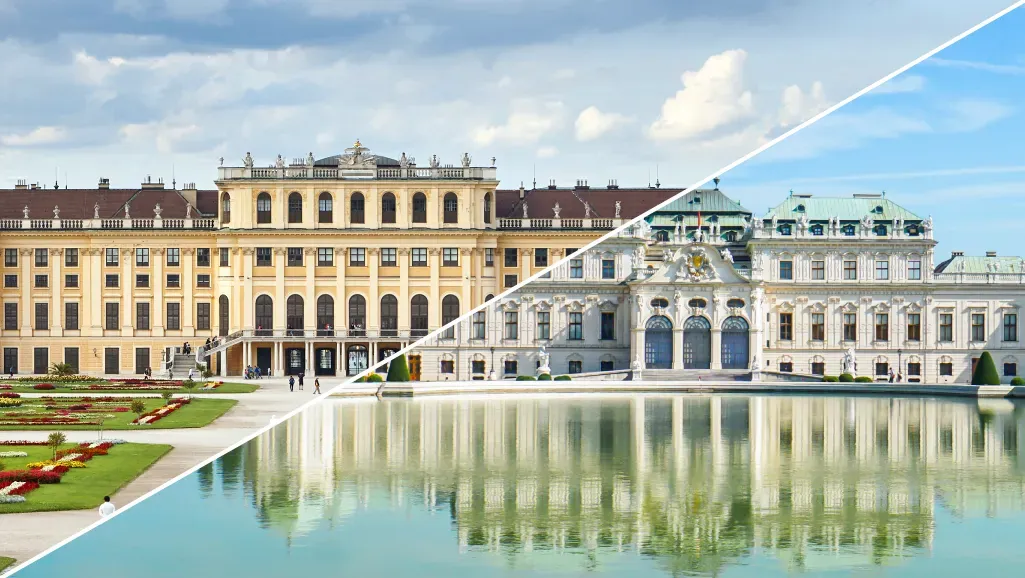
Schönbrunn compared with the Belvedere
Schönbrunn and the Belvedere, both Habsburg-era palaces, stand at opposite ends of Vienna and differ in their gardens, interiors and collections.
Schönbrunn compared with Versailles
Schönbrunn and the Palace of Versailles, both former royal residences with UNESCO World Heritage status, differ in size, gardens and how easily each is reached.
Where is the Schönbrunn Palace located?
Where is the Schönbrunn Palace located?
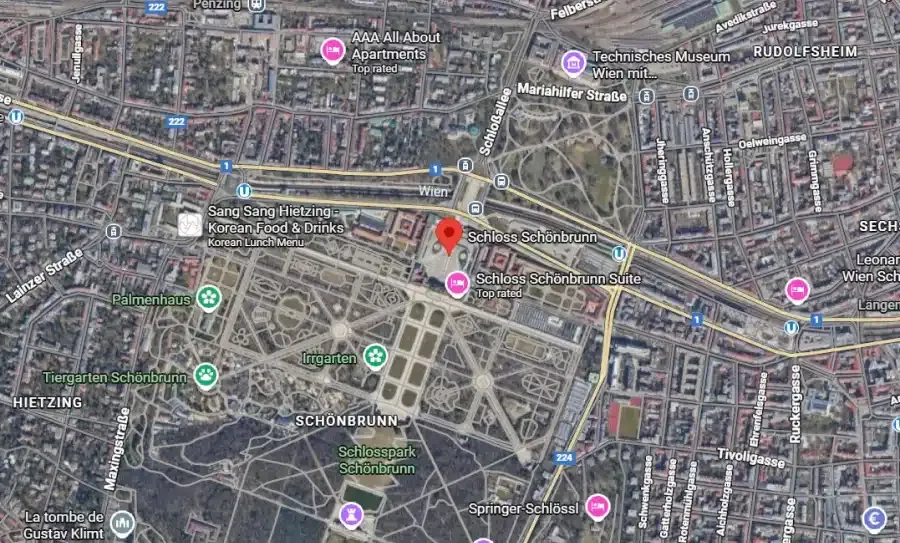
Schönbrunn Palace stands at Schönbrunner Schloßstraße 47, 1130 Vienna, Austria, in Vienna's 13th district, Hietzing, about 7 kilometers southwest of the city center. Historic walls enclose the complex, and four gates open onto it, each serving a different part of the estate. The Haupttor, or Main Gate, on Schönbrunner Schloßstraße is the main entrance, marked by white stone columns topped with golden eagles, and it holds the ticket office and the security screening. The Hietzinger Tor on the western side sits closest to the zoo and the Palm House. The Meidlinger Tor on the eastern perimeter is the step-free route for wheelchairs and strollers, and the Maria Theresia Tor at the elevated southern end connects to the Gloriette.
Book your ticket to Schönbrunn Palace
What should you visit near Schönbrunn?
Before visiting Schönbrunn Palace, you should know that its immediate surroundings are packed with attractions that make the trip worth it: from natural gems to sculptures and museums that will help you learn more about this dynasty. Beyond its imperial rooms, the palace grounds border a charming private garden, the world’s oldest zoo, a Palm House, a fantastic café with views, and much more, the details of which we help you discover below:
The Privy Garden (Kronprinzengarten)
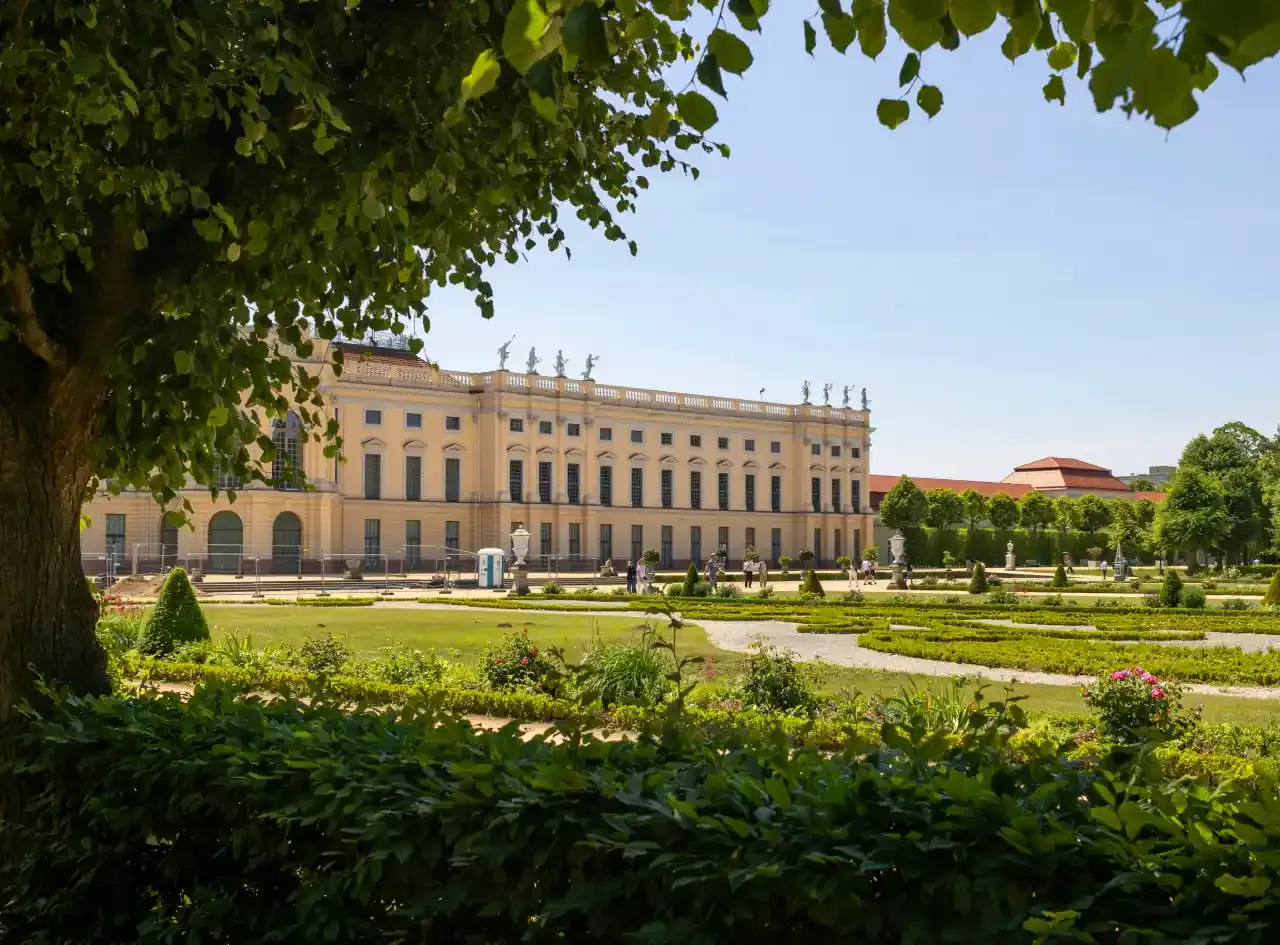
Originally designed for the exclusive use of the imperial family, this place, also known as the Crown Prince’s Garden, is characterized by a formal, geometric design reminiscent of the gardens of Versailles. Its carefully trimmed hedges, small fountains, and abundant flowers create the perfect atmosphere for unwinding and enjoying the outdoors during your trip.
If you like Baroque landscaping in its most refined form, make a note of the name of this garden, where the heirs to the Habsburg throne used to enjoy walks every afternoon.
Vienna Zoo (Tiergarten Schönbrunn)
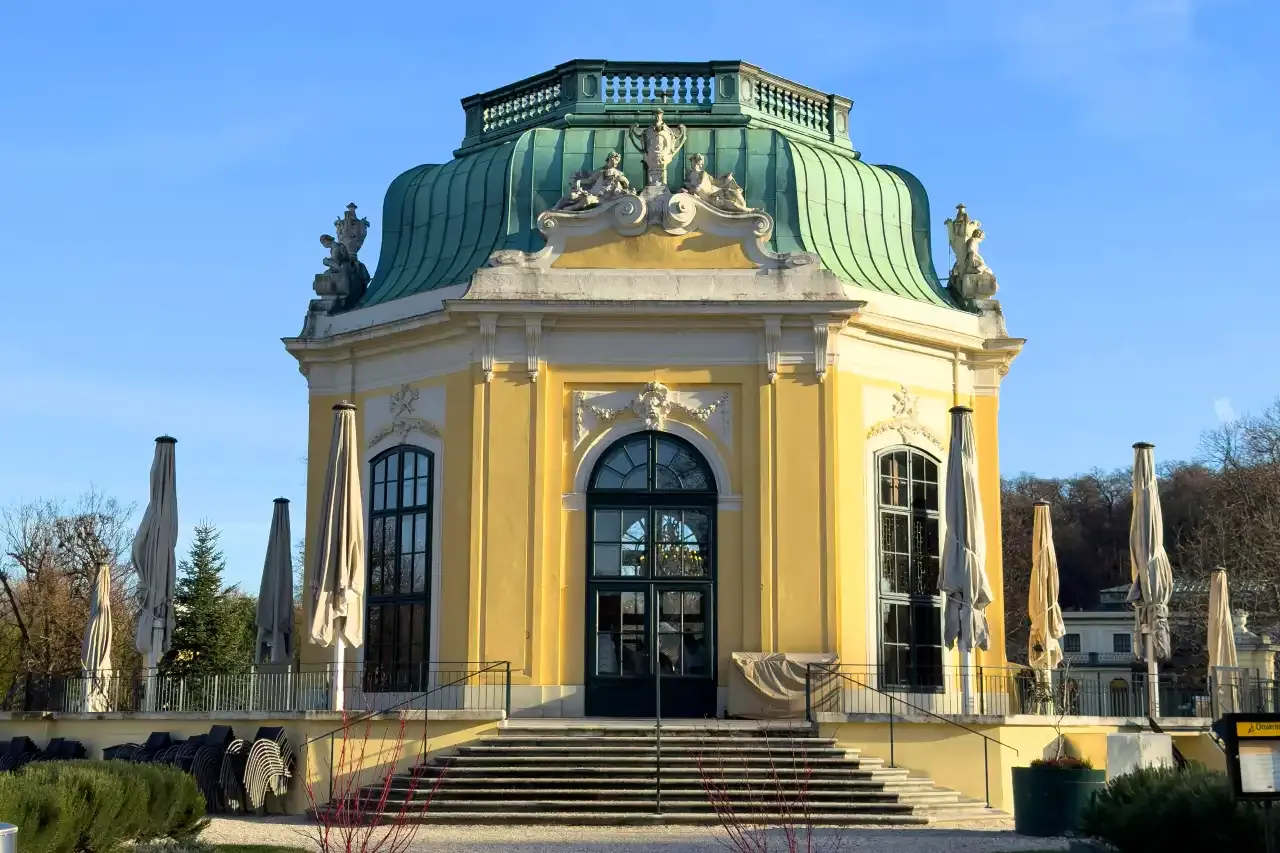
Vienna Zoo (Tiergarten Schönbrunn)
As we mentioned before, Schönbrunn Palace is a historical monument that houses the world’s oldest zoo. Located within the palace grounds, it offers a unique blend of imperial history and modern conservation. Despite its age, the zoo is a pioneer in animal welfare and the breeding of endangered species, and is especially famous for its giant pandas.
Most of the enclosures are integrated into original historical structures, such as the Imperial Breakfast Pavilion, which now houses the zoo’s restaurant. Visiting the Tiergarten is an ideal activity if you plan to travel with family or are a nature lover.
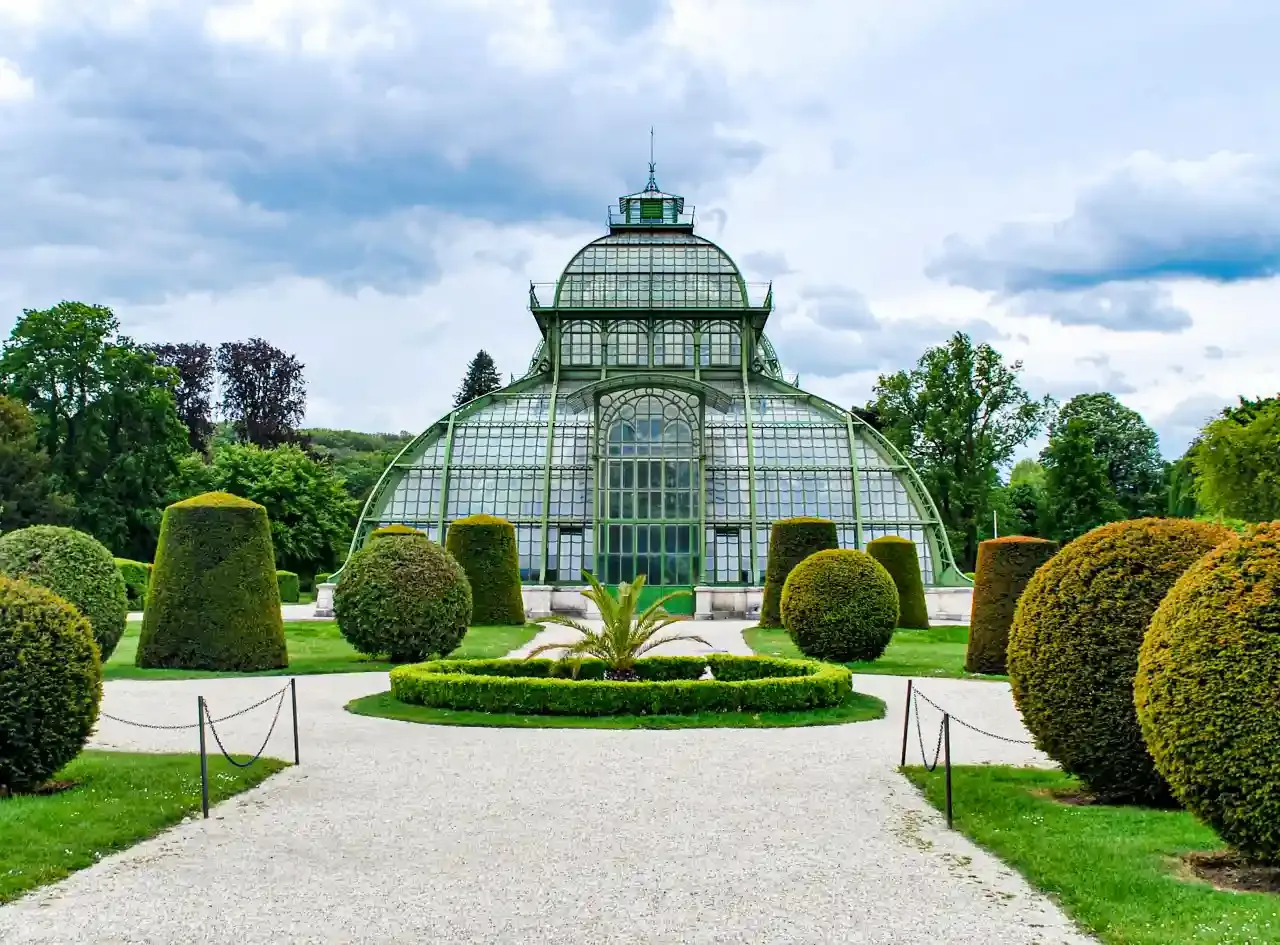
The Palm House (Palmenhaus)
This is an impressive 19th-century structure made of iron and glass. Furthermore, as a curious fact, you should know that it is one of the largest greenhouse structures of its kind in the world. Built in 1882, this 1,200 square-meter greenhouse was designed to house an astonishing collection of exotic botanical species from the remotest corners of the Austro-Hungarian Empire and from scientific expeditions.
Its design is divided into three climate pavilions (warm, temperate, and cold), recreating the necessary habitats for plants from various regions, from prehistoric ferns to gigantic palms. If you decide to include it in your visit to Schönbrunn Palace, you will enjoy a journey through different climate zones and have the opportunity to see the imperial fascination with science and botany.
Vienna Technical Museum
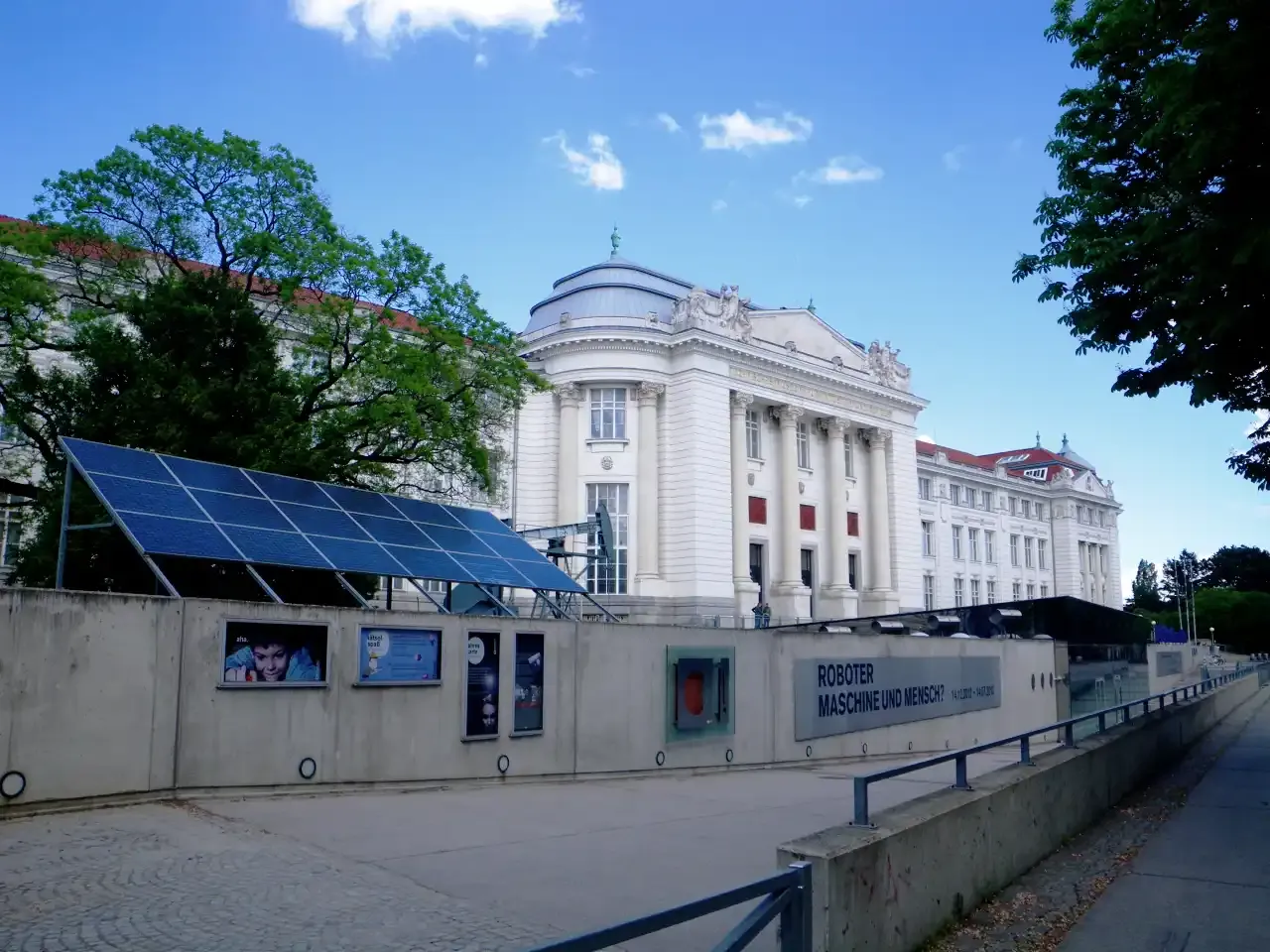
Vienna Technical Museum
Speaking of science, very close to the palace’s main entrance you will find the Vienna Technical Museum, a place that holds one of Europe’s most important technological collections, dedicated to industry, transport, energy, and science in Austria. Inside, you will find interactive exhibitions that range from antique cars, like Empress Elisabeth’s carriage, to steam engines and locomotives, such as the 12.10, a superlative steam locomotive.
The building has areas specially designed for families, with educational games that help children learn creatively and understand complex concepts in a much simpler way. In short, it’s a must-see if you are traveling with children!
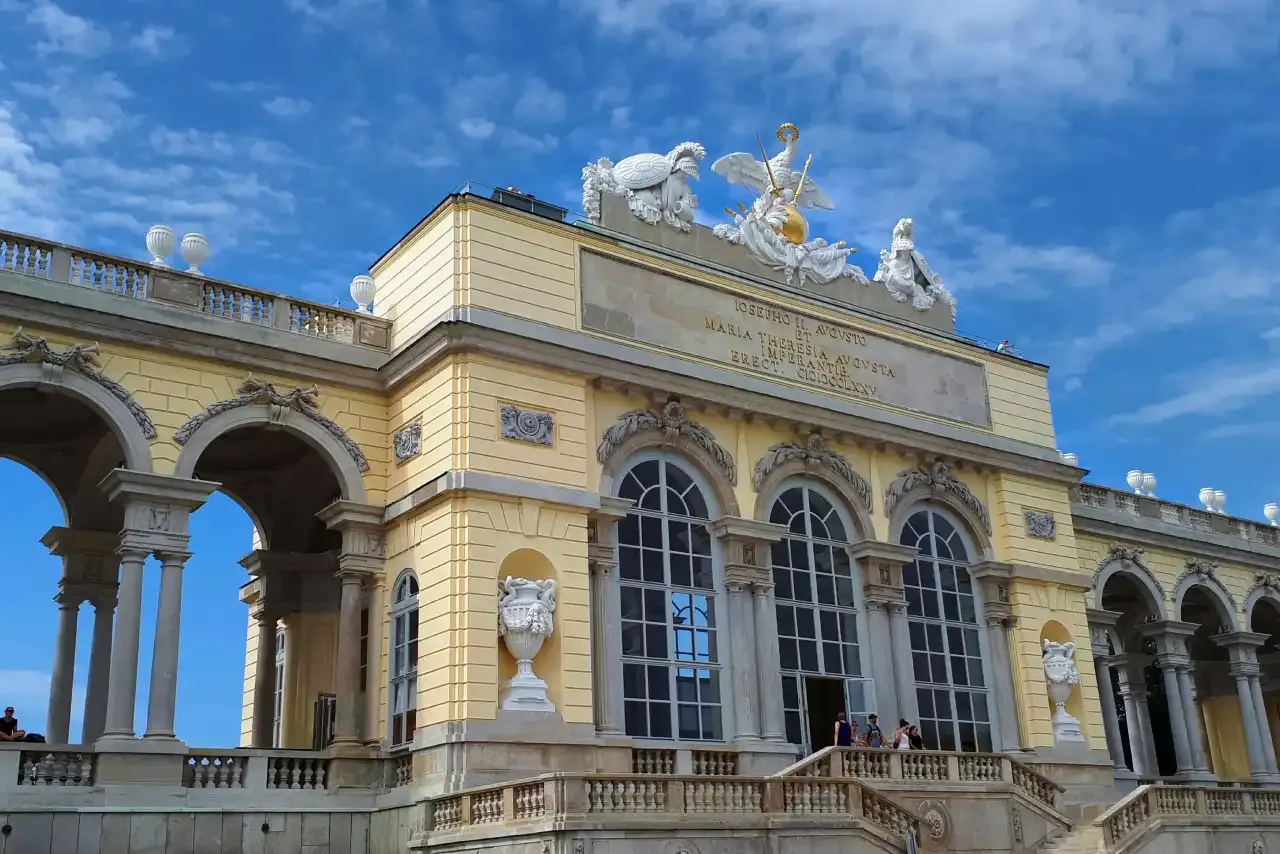
Café Gloriette
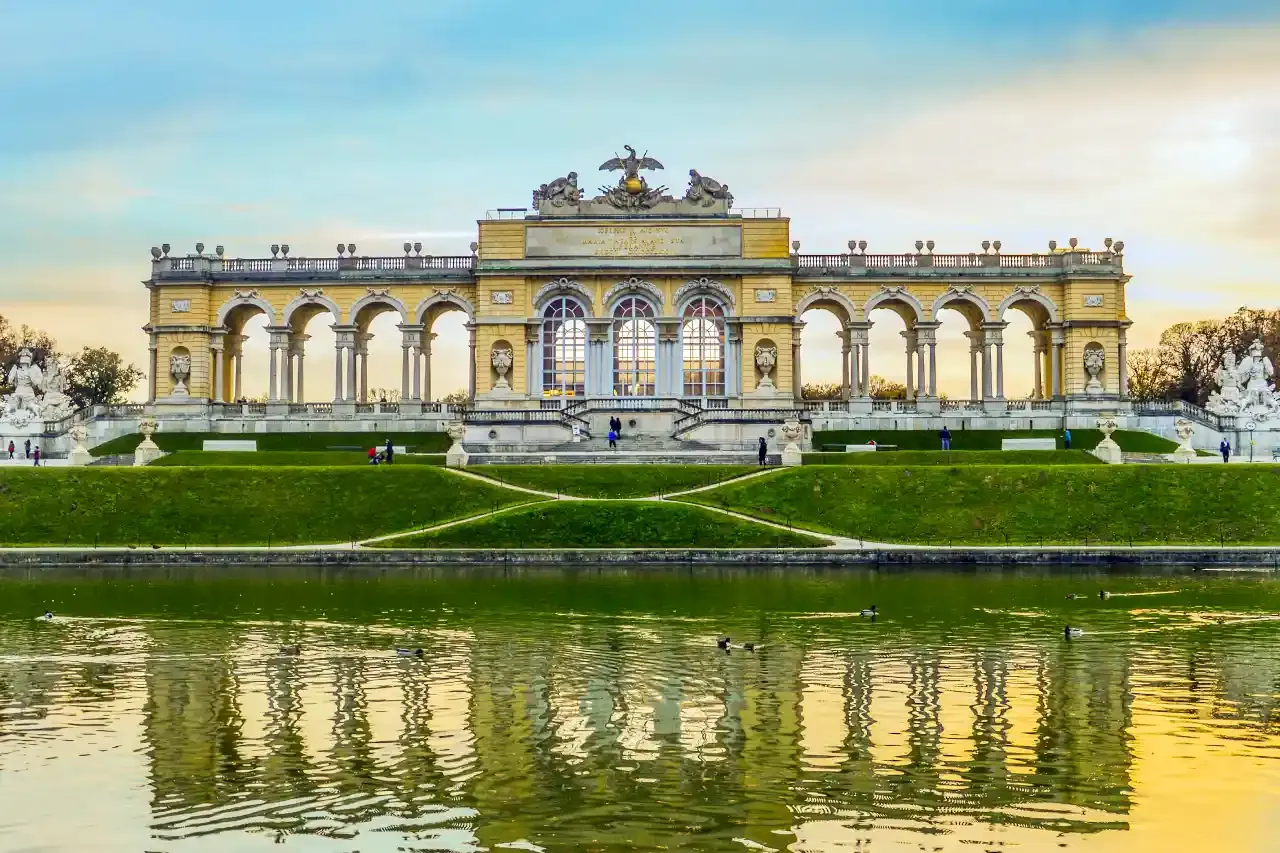
Located inside the Gloriette structure, on the Schönbrunn Palace hill, the Café Gloriette offers the perfect combination of history, architecture, and gastronomy. The Gloriette was originally designed as an imperial dining room and reception hall, and today its interior houses an elegant café where you can enjoy Viennese specialties, such as apple strudel (Apfelstrudel) and the typical chocolate cake, Sacher cake (Sachertorte), along with a delicious coffee or an imperial breakfast.
As you can imagine, the café’s main attraction is its location, as it offers panoramic views of the entire palace complex, the gardens, and the beautiful city of Vienna.
The Neptune Fountain (Neptunbrunnen)
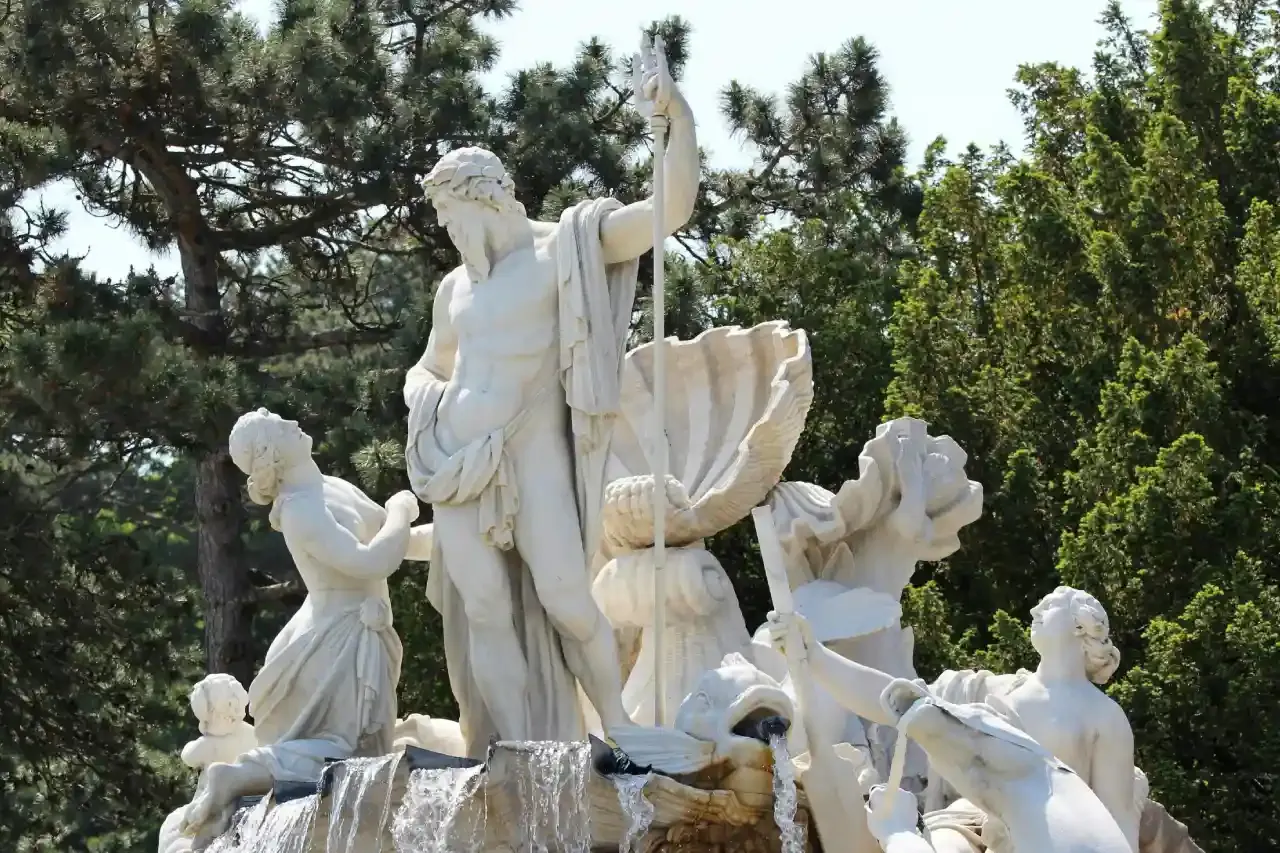
The Neptune Fountain (Neptunbrunnen)
The Neptune Fountain represents one of the most distinctive and emblematic elements of the Schönbrunn gardens. Excavations to build the large basin began in 1776, when Empress Maria Theresa decided to renovate and further embellish the imperial gardens. Four years later, the work concluded with the creation of a baroque sculptural composition.
The scene depicts the powerful sea god, Neptune, standing on a shell pulled by tritons and sea creatures. Between the 16th and 18th centuries, the figure of Neptune became a frequent motif in European palaces and gardens, as monarchs used it as a symbol of power, stability, and control over the destinies of their people.
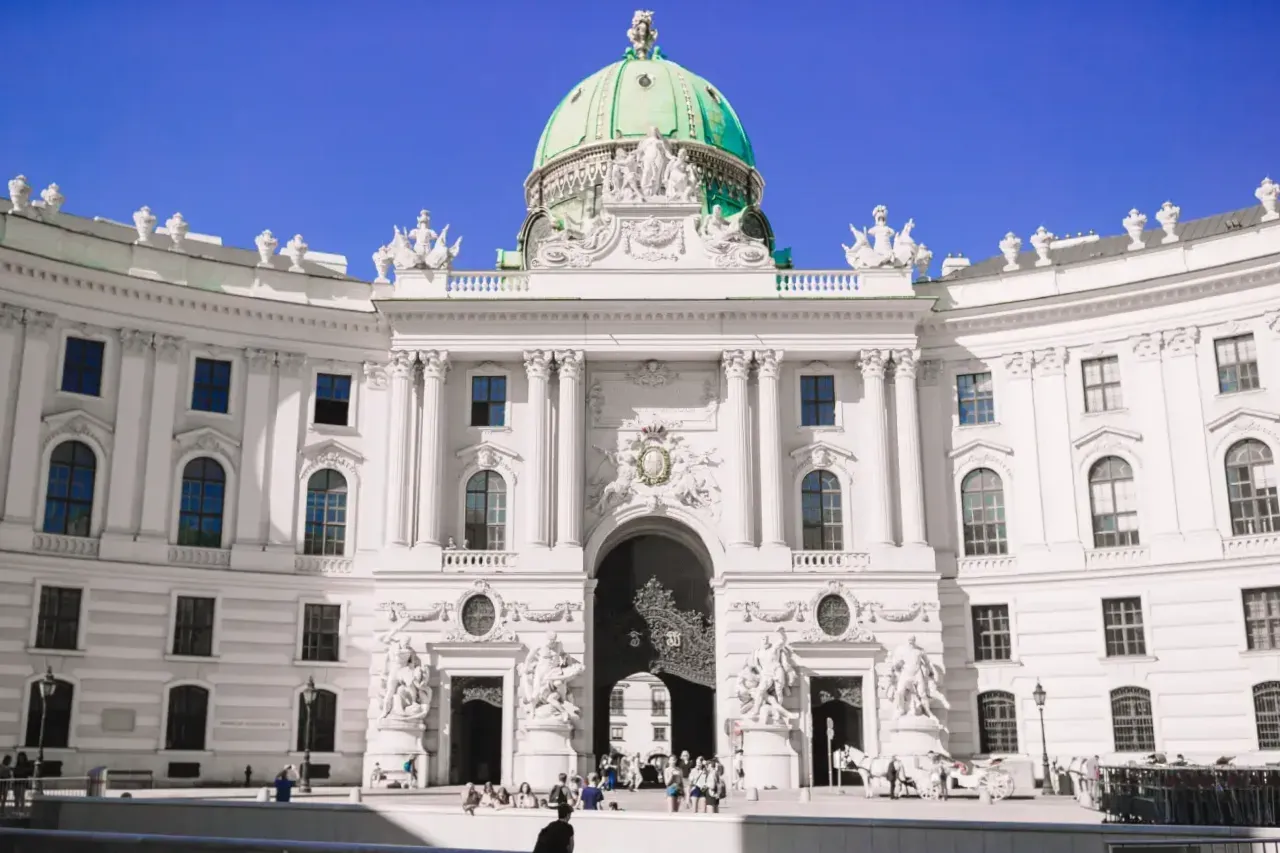
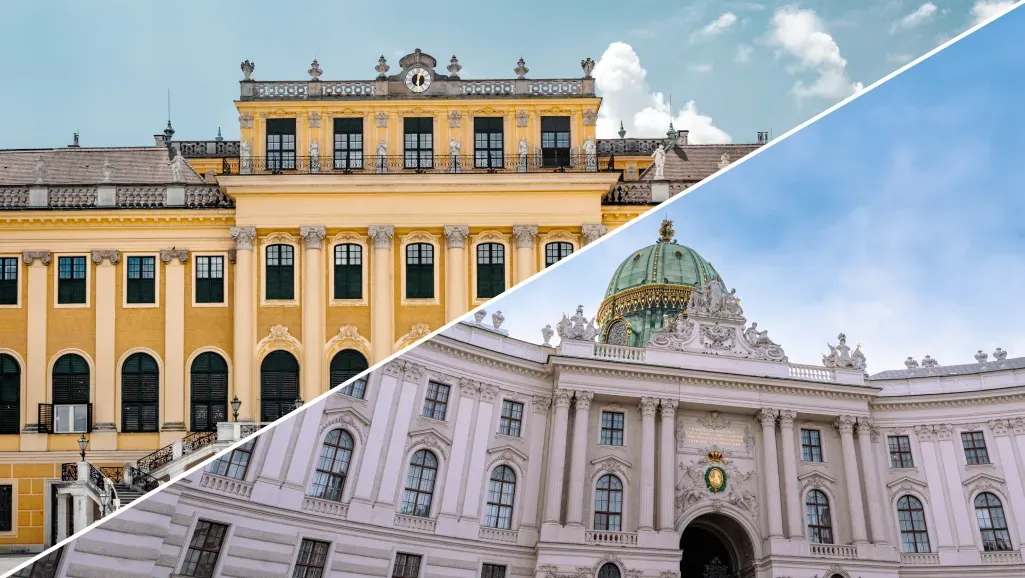
Is it possible to visit the Hofburg and the Belvedere together with Schönbrunn?
While it is physically possible to visit the Hofburg, Belvedere, and Schönbrunn in one day, doing so compromises the quality of the experience. Each site represents a significant pillar of Austrian history and requires substantial time to appreciate.
Schönbrunn is a massive complex that demands at least half a day for its rooms, gardens, and zoo. The Hofburg functions as a dense cultural hub containing the Sissi Museum and the Spanish Riding School, while the Belvedere serves as a premier art gallery housing Klimt’s masterpieces.
To avoid physical exhaustion and ensure proper historical assimilation, you should dedicate at least three separate days to these landmarks, prioritizing your own unhurried exploration over a rushed itinerary.
Tips for visiting Schönbrunn Palace
Visitors keep a Schönbrunn Palace visit on schedule and within the house rules by following these points:
- Booking a timed entry online ahead of the day secures the slot, and arriving at the Haupttor before that time leaves room for the security screening.
- The Entry Ticket includes an audio guide.
- Photography and filming inside the state rooms are allowed for personal, non-commercial use, but flash, extra lighting, tripods and selfie sticks are not.
- Bags larger than about A4 size, including rucksacks, briefcases and umbrellas, stay in the cloakroom or the lockers.
- Children under 14 enter the exhibition rooms only with a supervising adult.
- The grounds and gardens are extensive and the Gloriette sits at the top of the hill, so visitors need comfortable shoes.
- Entering by the Maria Theresia Tor starts the visit at the top of the hill and turns the Gloriette walk into a descent rather than a climb.
- Water and sun protection help in the warmer months, when shade is limited on the open parterre.
- The park opens at 06:30, so visitors can walk the gardens before the interior tours begin.