Visiting Hofburg Palace
The Habsburgs ruled from this Vienna city-centre complex until 1918, and of its 2,600 rooms the public sees the Sisi Museum and the Imperial Apartments. Both sit behind one security-controlled entrance at the Michaeler Gate, which is where the practical questions start.
Plan your visit to Hofburg Palace
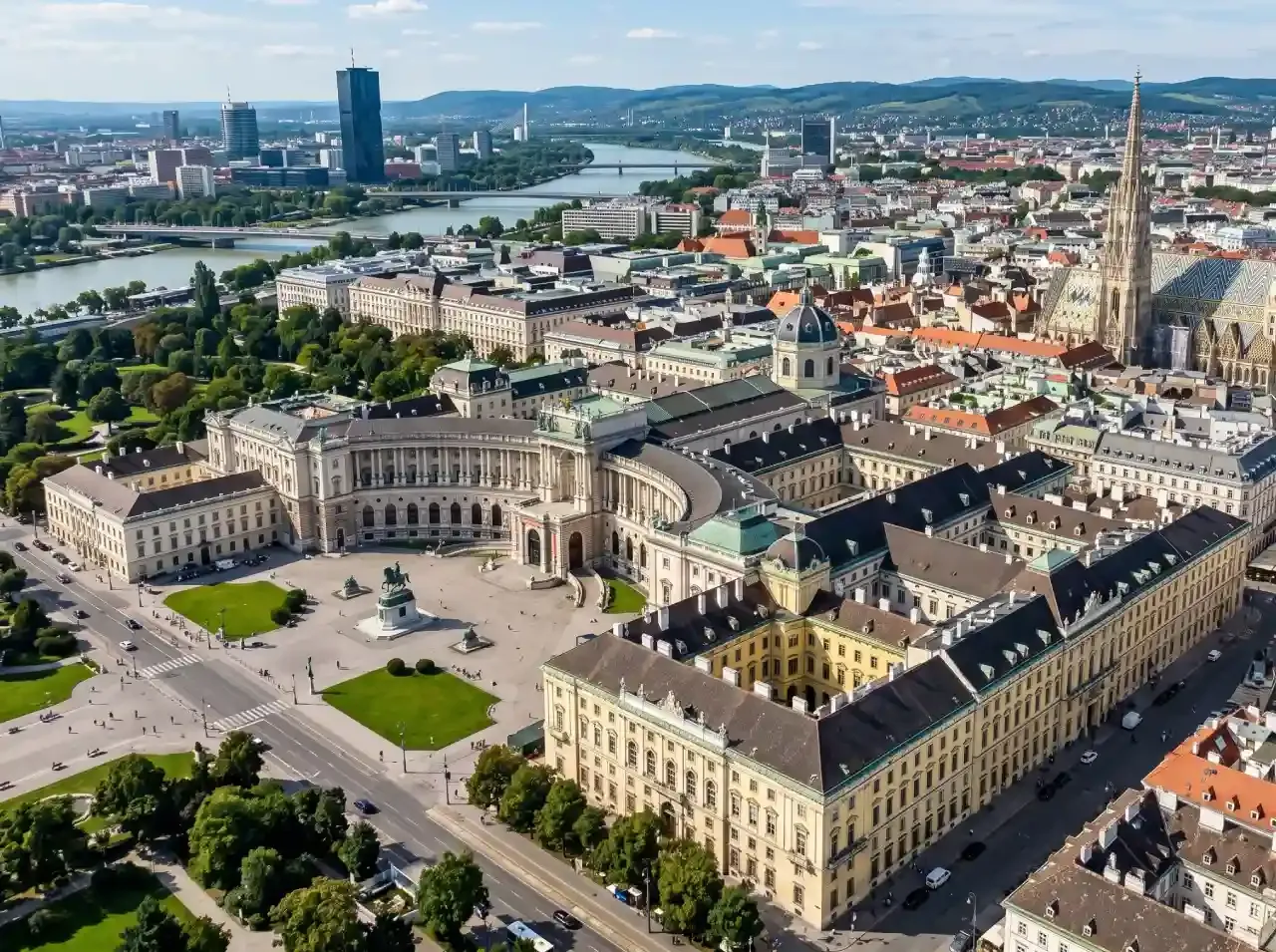
The Habsburgs' official residence spreads across 18 wings at Michaelerkuppel, 1010 Vienna, in the historic city center. To plan your visit to Hofburg Palace, travelers need the entrance rules and the daily schedule, plus a sense of which imperial rooms still open to the public.
Information about your visit to Hofburg Palace?
A Hofburg Palace visit turns on two fixed points: a daily schedule that never shifts with the season, and one security-controlled entrance that every route runs through. The questions travelers ask most often:
- What are the opening hours of Hofburg Palace? The palace opens daily from 09:00 to 17:30, including public holidays, with no seasonal variation. Last admission falls at 16:30, when the ticket office also closes.
- How late can visitors stay inside? Visitors may remain in the Sisi Museum until 17:00 and in the Imperial Apartments until 17:30. Hours may vary during public events or maintenance.
- How long does a visit to Hofburg Palace take? A full visit runs 1.5 to 2 hours, enough to cover the Sisi Museum, the Imperial Apartments, and the historical courtyards. The museum route on its own takes 60 to 90 minutes.
- When is the best time to visit? The busiest window falls between 11:00 and 14:00, when tour groups arrive. Arriving early in the morning keeps the narrow museum corridors calmer.
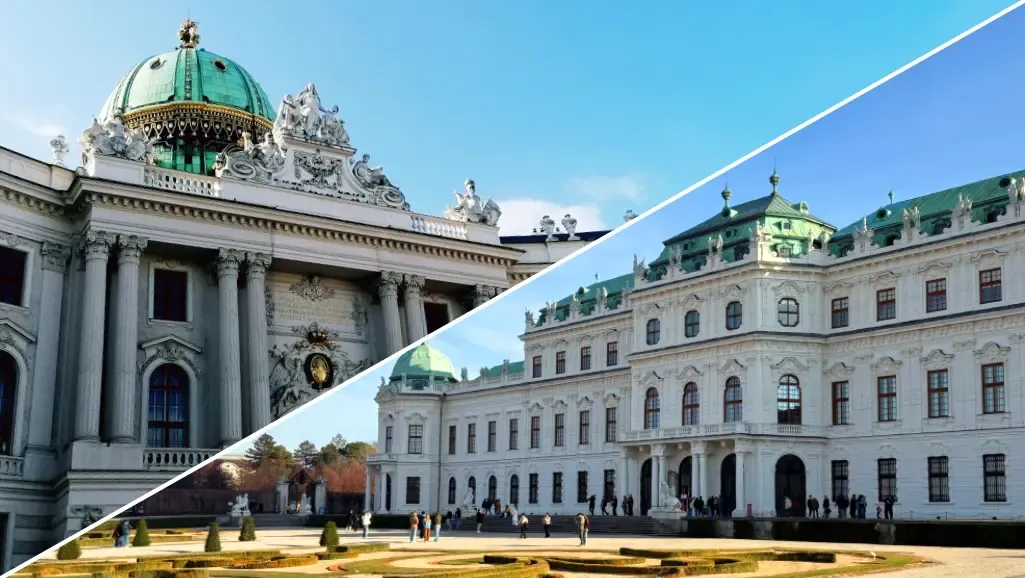
- Where is the main entrance? The Michaeler Gate on Michaelerplatz is the main entrance, marked by its green copper dome. The entrance for all visitors with a valid ticket sits directly below the Michaelerkuppel, with the individual-ticket office at the Kaisertor and the group-ticket office beneath the Michaelerkuppel.
- Which metro stop is closest? Herrengasse station on the U3 line sits a 5-minute walk from the Michaelerplatz entrance. Travelers can also take the U1 or U4 to Karlsplatz and walk across the Burggarten.
- Which trams and buses stop nearby? Tram lines 1, 2, D and 71 stop at Burgring, next to the palace. Bus lines 1A and 2A stop at Hofburg, a few steps from the main gate.
- What can visitors see inside? A visit covers the Sisi Museum and the Imperial Apartments along a linear path that starts at the Imperial Staircase. The palace holds over 2,600 rooms across 18 wings, and most of them stay closed to the public as government offices or separate museums.
- Are large bags allowed inside? No. Large bags, suitcases and scooters cannot come inside, and the palace has no storage facilities for luggage. The palace recommends reservations, and groups in particular should book ahead.
- Is Hofburg Palace accessible? All entrances are accessible for visitors with reduced mobility.
Explore whatever you need in detail
Tickets and general information
The venue hub lists the bookable Hofburg Palace products with the general visitor details for the imperial complex.
Opening hours
The opening-hours page covers the daily schedule, the last-admission cut-off, and the closing time for each area, updated for public holidays and special events.
How to get there
The transport page sets out the metro, tram, bus and rail routes into Vienna's historic center, with the gates into the complex and the parking garages nearby.
Map and entrances
A plan of the complex marks the Michaeler Gate, the Kaisertor, the courtyards, and the main attractions, so travelers can set a route before arriving.
Inside and what to see
A closer look at the Sisi Museum, the Imperial Apartments, and the collections behind the Michaeler Gate sets out what a visit covers.
Where is the Hofburg Palace located?
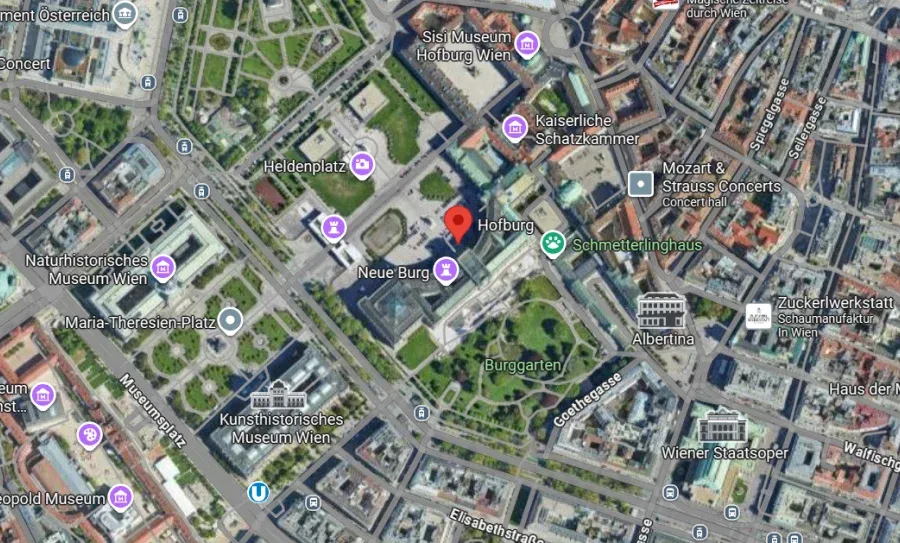
Where is the Hofburg Palace located?
Hofburg Palace stands at Michaelerkuppel, 1010 Vienna, Austria, in the historic city center. Inside the complex, the Imperial Apartments extend across the Imperial Chancellery Wing and the Amalienburg, the two ranges that held the private and official quarters of the imperial couple. Visitors enter beneath the dome of the St. Michael's Wing, which is also the way into the Sisi Museum. St. Stephen's Cathedral and the Vienna State Opera are both a short walk from there, and the U3 stops at Herrengasse five minutes away while trams 1, 2, D and 71 stop at Burgring on the far side of the complex.
Book your ticket to Hofburg Palace
What to see at Hofburg Palace
What to see at Hofburg Palace
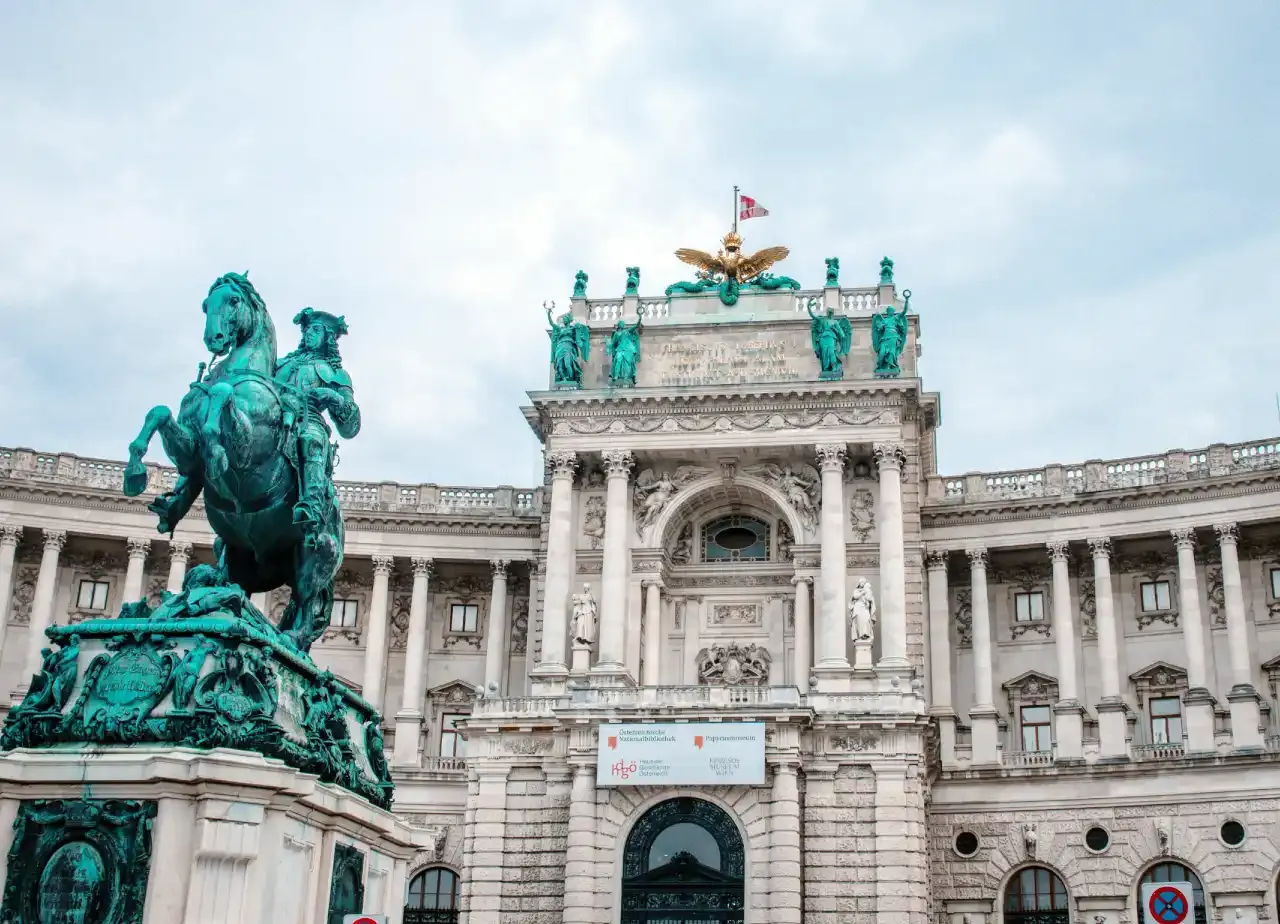
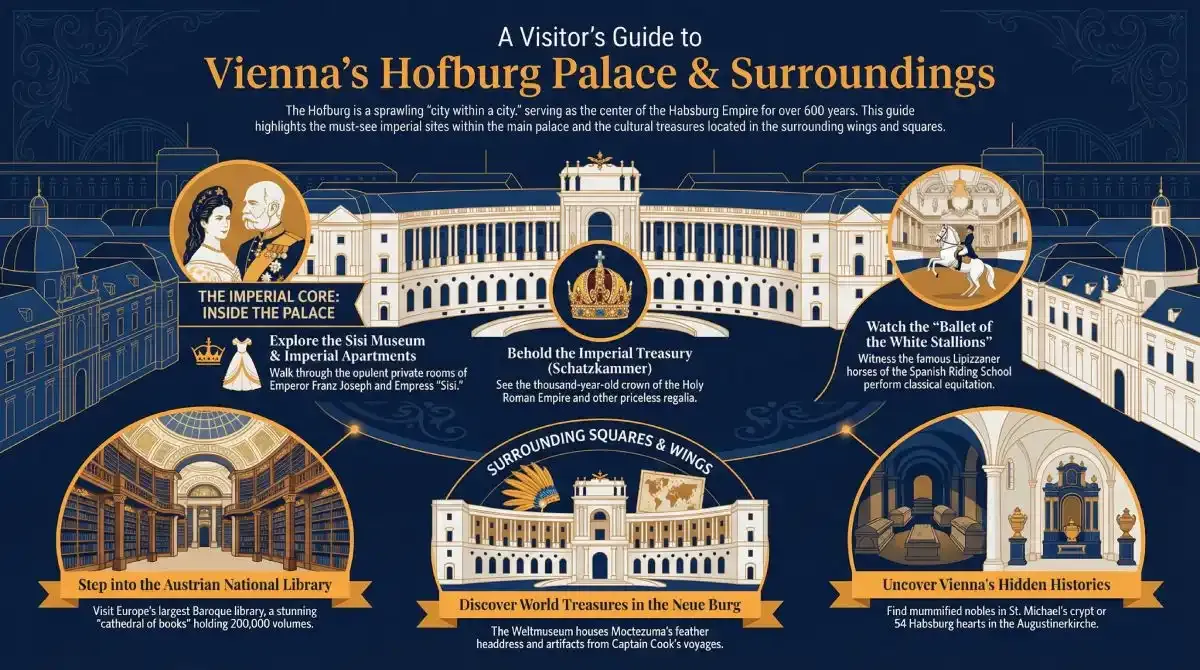
Hofburg Palace opens four main points of interest to visitors: the Sisi Museum, the Imperial Apartments, the square at Michaelerplatz, and the Spanish Riding School. Builders raised a medieval fortress here in the 13th century, and seven centuries of additions turned it into the Baroque and Neoclassical complex that housed the Habsburg emperors until 1918. The palace holds over 2,600 rooms across 18 wings, though most of them stay closed as government offices or separate institutions, so a visit concentrates on the imperial quarters and the courtyards around them.
Sisi Museum
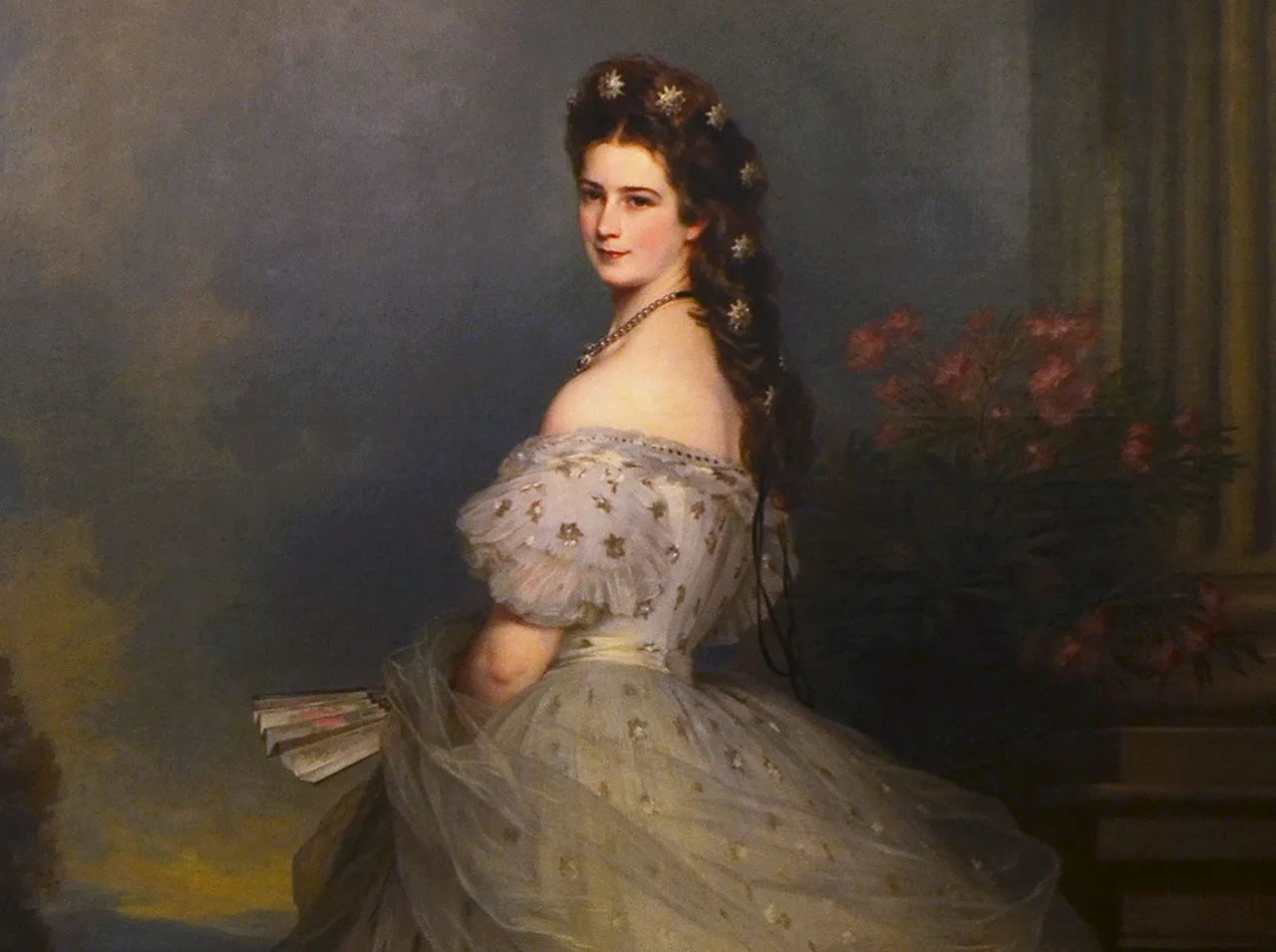
The Sisi Museum sits inside the imperial complex rather than in a separate building, so the route in runs through Hofburg Palace itself. It opened on 24 April 2004, the 150th anniversary of the wedding of Empress Elisabeth and Emperor Franz Joseph I, and occupies the Stephan Apartments, with an exhibition laid out by set designer Rolf Langenfass and reworked in 2009. Six thematic sections hold more than 300 original belongings, among them clothing, beauty preparations and medical equipment. The exhibition sets her documented life against the romantic legend that formed around her after her death. Touring this part of the route takes 30 to 40 minutes.
Imperial Apartments
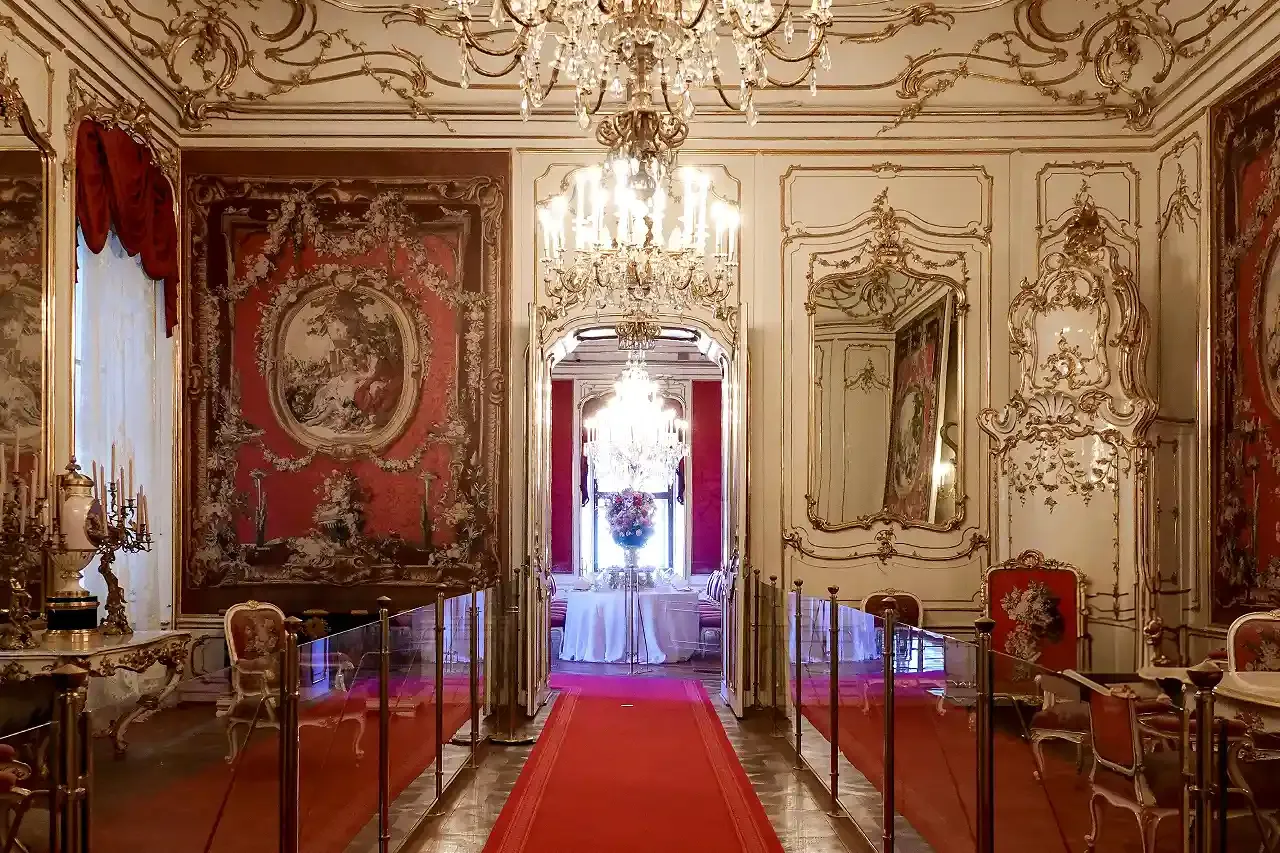
Imperial Apartments
The Imperial Apartments, or Kaiserappartements, hold 24 rooms across the Imperial Chancellery Wing and the Amalienburg, arranged as Franz Joseph and Elisabeth used them. Franz Joseph ruled for 68 years and started his day at 05:00, a routine his plain bedroom and office still match, while Elisabeth's rooms run the other way, luxurious and withdrawn, the quarters of a woman who spent much of each year travelling away from Vienna. Rococo and Neo-Rococo interiors run through both halves, with stucco work, Bohemian crystal chandeliers and tiled stoves. Walking this section takes 30 to 40 minutes.
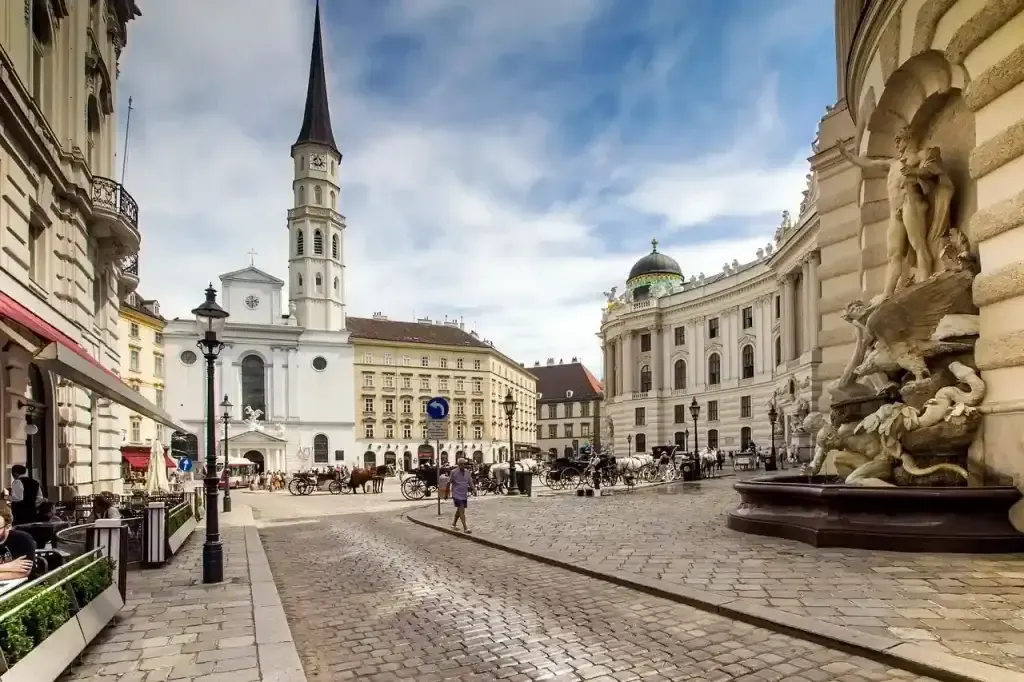
Michaelerplatz
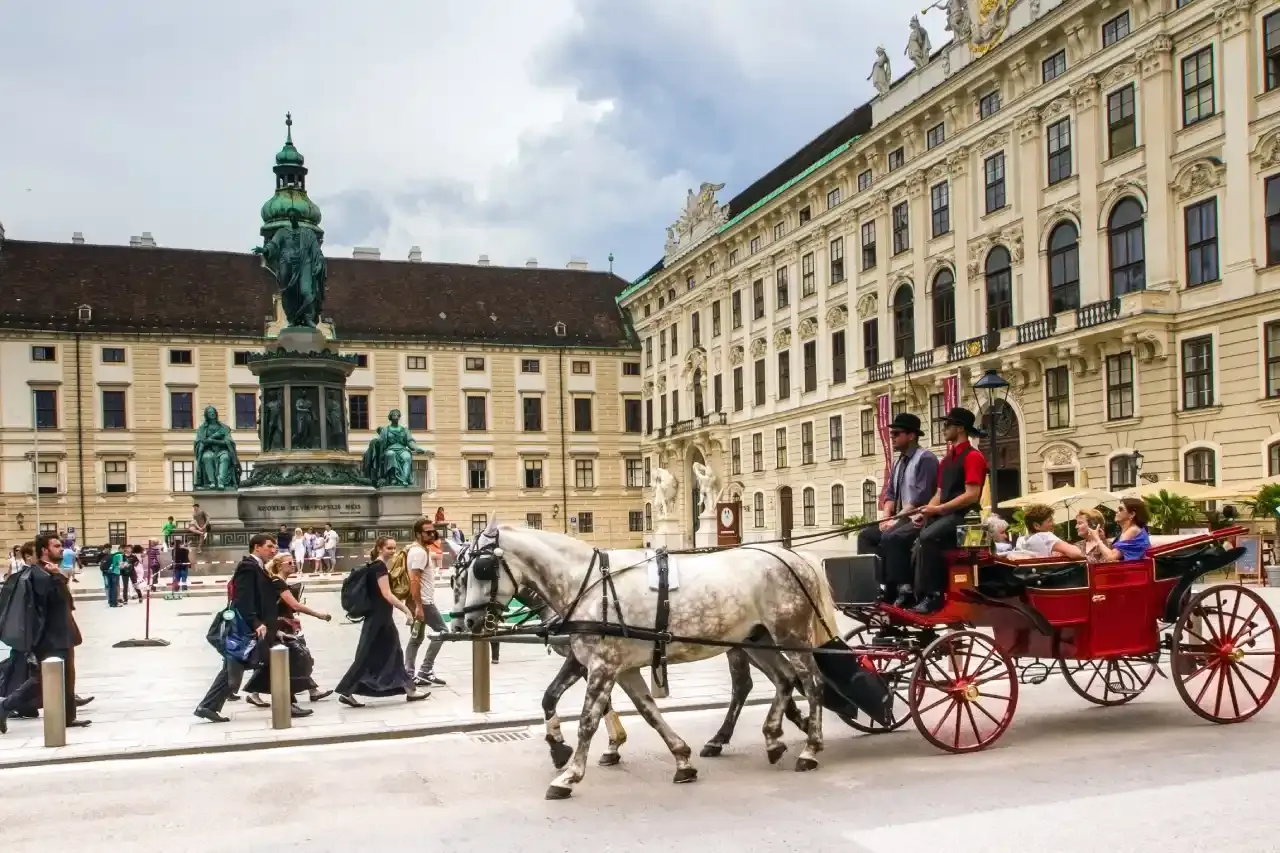
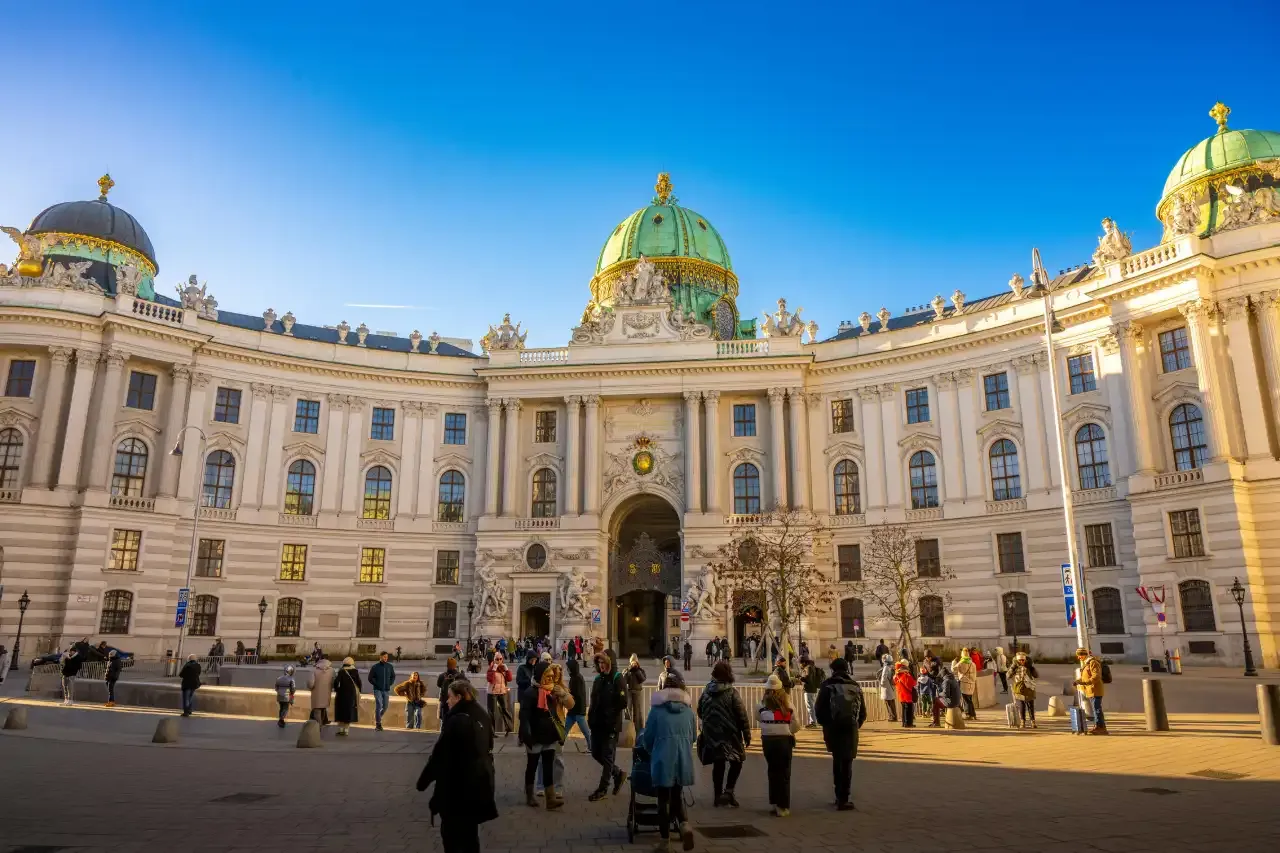
Michaelerplatz fronts the Michaelertrakt, the curved palace facade, and sits at the geographical centre of Vienna's 1st District where Kohlmarkt, Herrengasse and Reitschulgasse meet, under postal code 1010. Joseph Emanuel Fischer von Erlach designed the Michaelertrakt around 1725, but it stood unfinished for more than 150 years until Ferdinand Kirschner completed it between 1889 and 1893, work that required demolishing the Altes Burgtheater. An open excavation at the centre of the square, uncovered in 1991, shows Roman and Medieval foundations, and the Loos House of 1910 faces the palace entrance across the cobbles. Exploring the square takes 10 to 15 minutes.
Spanish Riding School
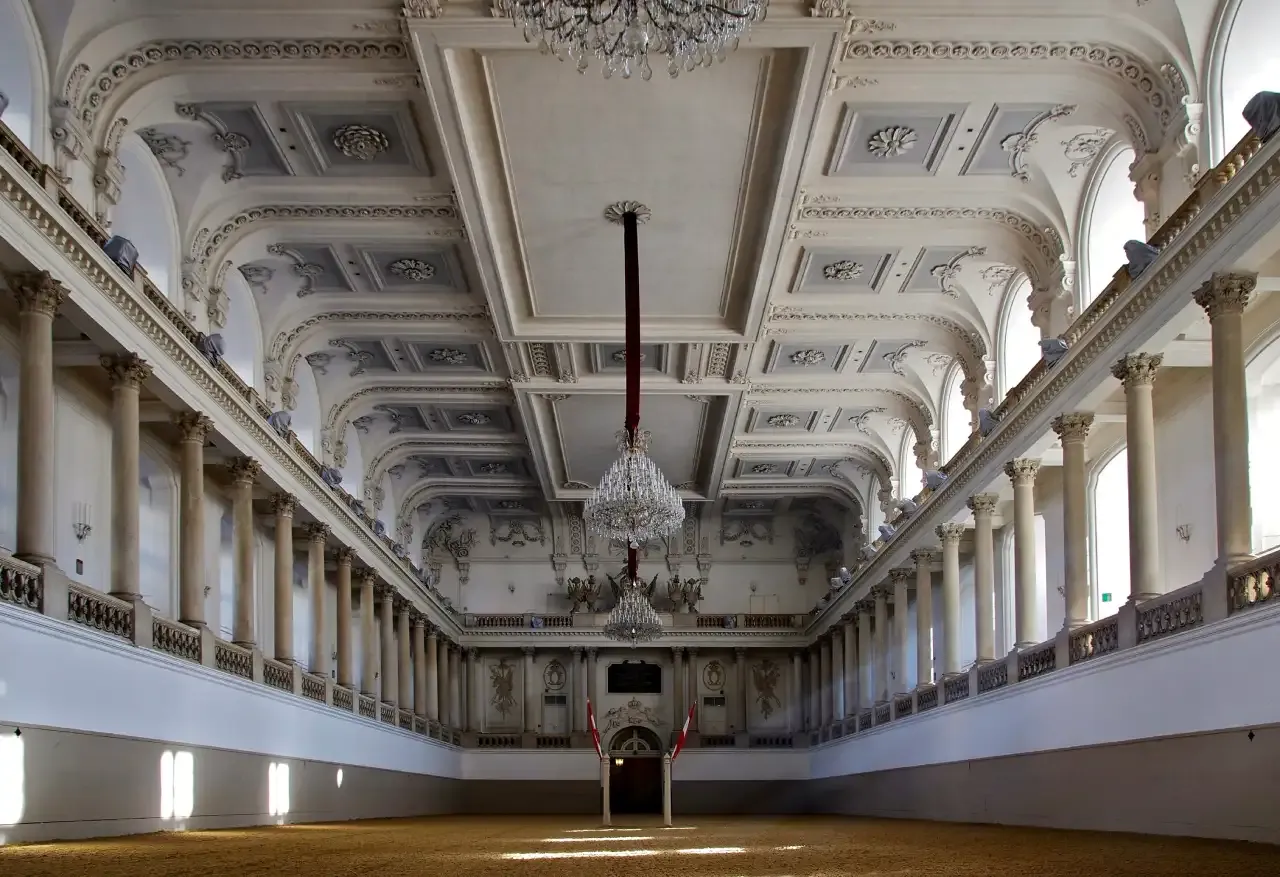
Spanish Riding School
The Spanish Riding School, or Spanische Hofreitschule, has practised the Classical School of Horsemanship, the art of the Haute Ecole, for over 450 years. It works from the Winter Riding School, the Baroque arena Emperor Charles VI commissioned from Johann Bernhard Fischer von Erlach, which his son Joseph Emanuel completed between 1729 and 1735 as a hall of 56 by 18 metres. UNESCO lists the school's Lipizzaner tradition as Intangible Cultural Heritage of Humanity, and it is the only place where Renaissance-style equestrian skills survive in their original form. Visitors watch the morning training, attend a gala performance, or join a tour of the stables, each running about 60 minutes.
Tips for visiting Hofburg Palace
Every visitor clears the security screening at the Michaelerkuppel entrance, whatever they booked, and the queue there can cost more time than anything else on site. A few habits keep it moving:
- Budget for the security queue. On weekends and in high season the line can stretch into the outer square and add 15 to 30 minutes. Fast-track tickets skip the ticket office, not the metal detector and bag check.
- Time the arrival. The corridors of the Sisi Museum feel narrowest between 11:00 and 14:00, when the tour buses unload. Arriving at the 09:00 opening or from about 15:30 avoids the worst of it.
- Travel light. Suitcases, large bags and scooters cannot come in, and the palace runs no luggage storage.
- Photograph without flash. Photography and filming are generally permitted in the exhibition rooms during opening hours, for personal use. Flash, tripods and selfie sticks are not allowed, so watch the signage in each room.
- Pick up the audio guide. The handheld device at the ticket desk covers 13 languages, among them English, German, Spanish, French and Italian. Vienna's official ivie app carries the Sisi Museum tour for anyone who prefers their own phone and earbuds.
- Use the bathrooms before the turnstiles. Once through, the route runs one way with no way back.
- Check the rules for younger visitors. Children under 14 enter the exhibition rooms only with a supervising adult.
Visiting the Hofburg in winter vs. other seasons
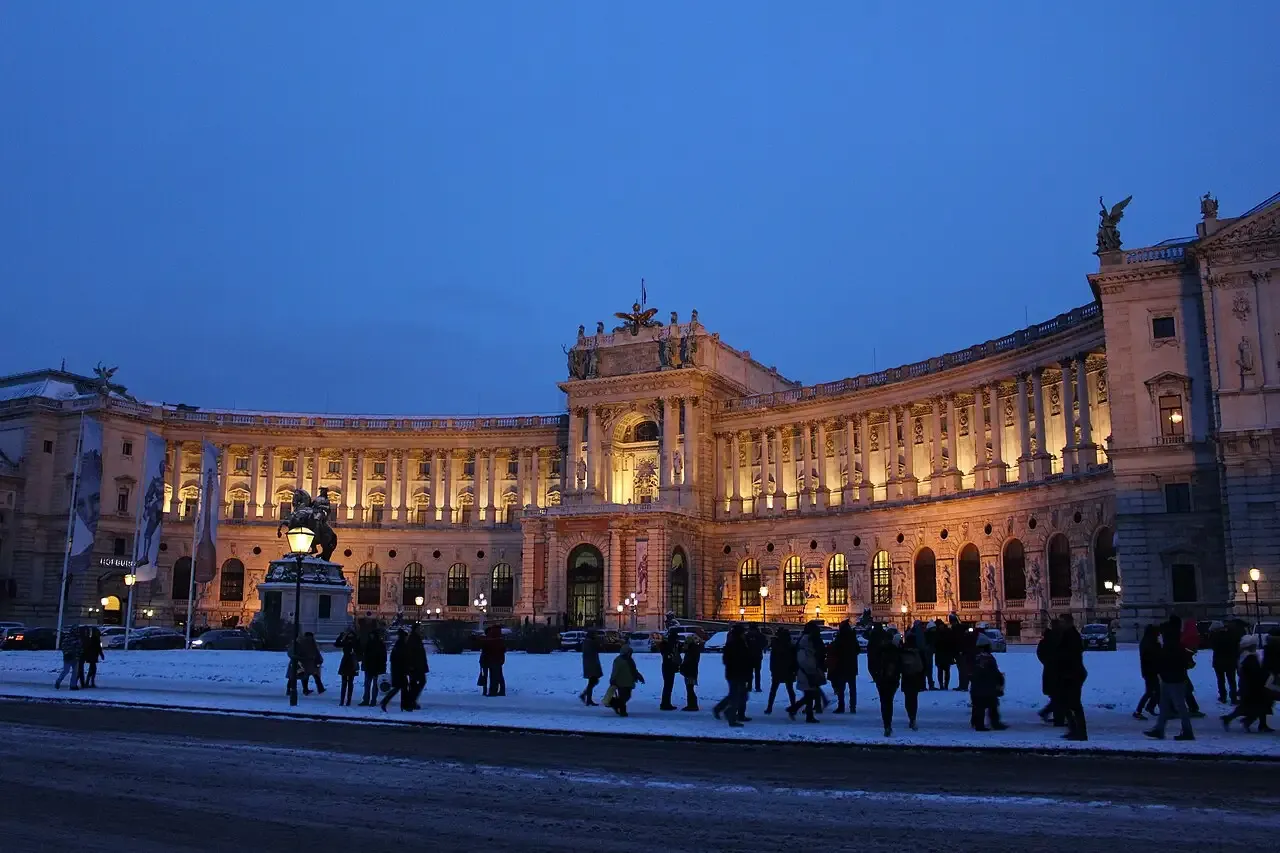
Winter
Winter transforms the Hofburg into a center of living tradition. From mid-November through December, the Michaelerplatz Christmas Market sets up at the main entrance, focusing on high-quality Austrian craftsmanship and traditional Glühwein. During January and February, the palace becomes a vibrant venue for the famous Ball Season.
Regarding logistics, the palace does not blast the heating due to conservation requirements for the delicate furniture and tapestries. It is wise to wear layers or keep your sweater on during the tour, as the massive rooms with high ceilings can feel quite chilly even when the cloakroom takes your heavier winter coat.
Photo: “The Hofburg Winter Palace in Vienna, Austria” by Eyes Roger.